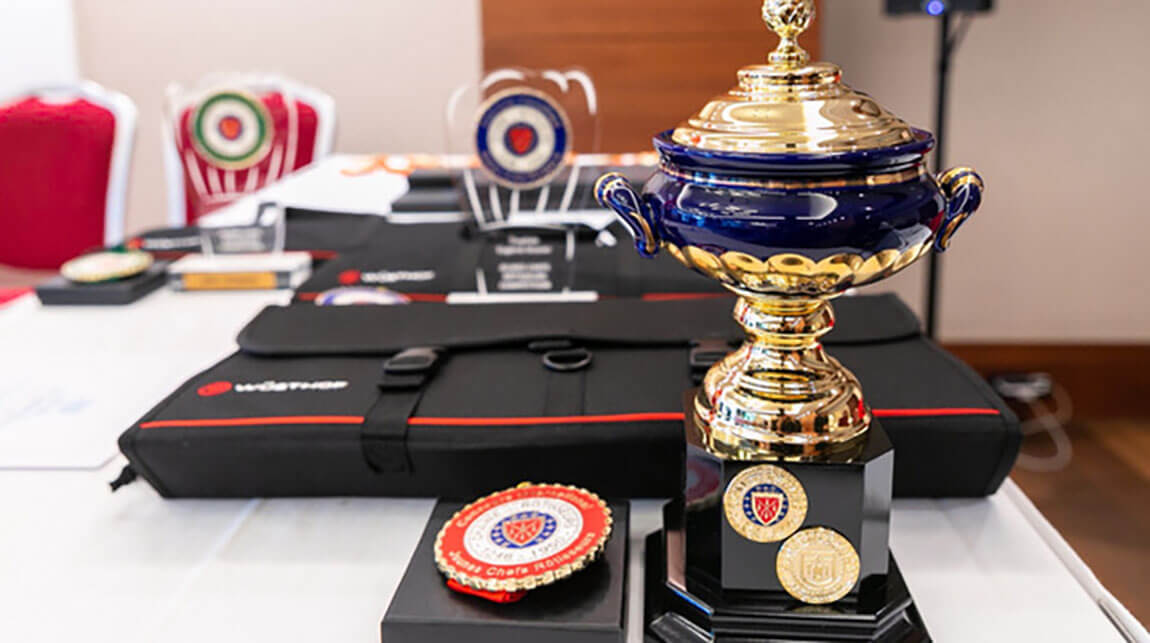
Smart, Varied Training
Preparation isn’t just about endless full-length practice runs. The best competitors break their training into focused, manageable chunks. Short, targeted exercises—like speed drills or mini-challenges—build both confidence and technical speed. Repetition is key: the more familiar the pressure, the calmer and more controlled the chef becomes when it counts.
Mastering the Common Table
One unique aspect of many competitions is the “common table”—a set of staple ingredients available to all. Rather than seeing this as a limitation, top chefs treat it as an opportunity. “Desserts win and lose competitions” says Ben Purton, Conseiller Culinaire. Competitors should work closely with pastry chefs to develop adaptable techniques that can evolve once the mystery box is revealed. After all, desserts often tip the scales in a close contest.
Training the Mind
Mental agility is as important as knife skills. Chefs challenge themselves with regular “mystery box” exercises, writing three-course menus for four people in just 20 minutes. This sharpens creativity, structure, and decision-making—skills that are critical under competition conditions.
Building “Power Dishes”
Training with just a handful of ingredients and limited techniques forces chefs to focus on flavour, execution, and intent. In Chaîne GB we are lucky to have several experienced judges who can advise on exactly what judges are looking for, clarity, refinement, and confidence on the plate.
Adapting to Any Kitchen
Flexibility is essential. Chefs practice in different kitchens, using both old and modern equipment, because competitions don’t adapt to them—they must adapt to the competition environment. Limiting equipment to just what fits in a knife roll plus a few pans ensures they’re ready for anything.
Research and Cultural Awareness
At the Chaîne international final especially, understanding the host country’s culinary identity can set a competitor apart. Thoughtful, culturally aware dishes resonate with judges and demonstrate a level of professionalism that goes beyond technique.
Zero Waste and Professionalism
Discipline is non-negotiable. Chefs challenge themselves to produce dishes with zero waste, demonstrating respect for ingredients and professional maturity—qualities judges notice and appreciate.
Seeking Feedback
Growth comes from listening. Competitors write their menus and seek honest feedback from at least five people, embracing critique as a tool for improvement.
Using Every Advantage
From chef networks to digital tools, today’s competitors leverage every available resource. While inspiration can come from anywhere, success in the Chaîne arena ultimately comes down to flawless execution.
Obsessing Over Timing
Timing discipline is a hallmark of great competitors. Serving dishes on the dot—every time—turns the competition clock from an enemy into an ally.
The Winning Mindset
Preparation is what builds belief. The Chaine des Rotisseurs Young Chef Competitions, both national and international, reward those who combine skill with resilience and preparation with purpose. In the end, beyond medals and accolades, the real question every competitor answer is simple: did I give everything I had?
That’s where true success lies.