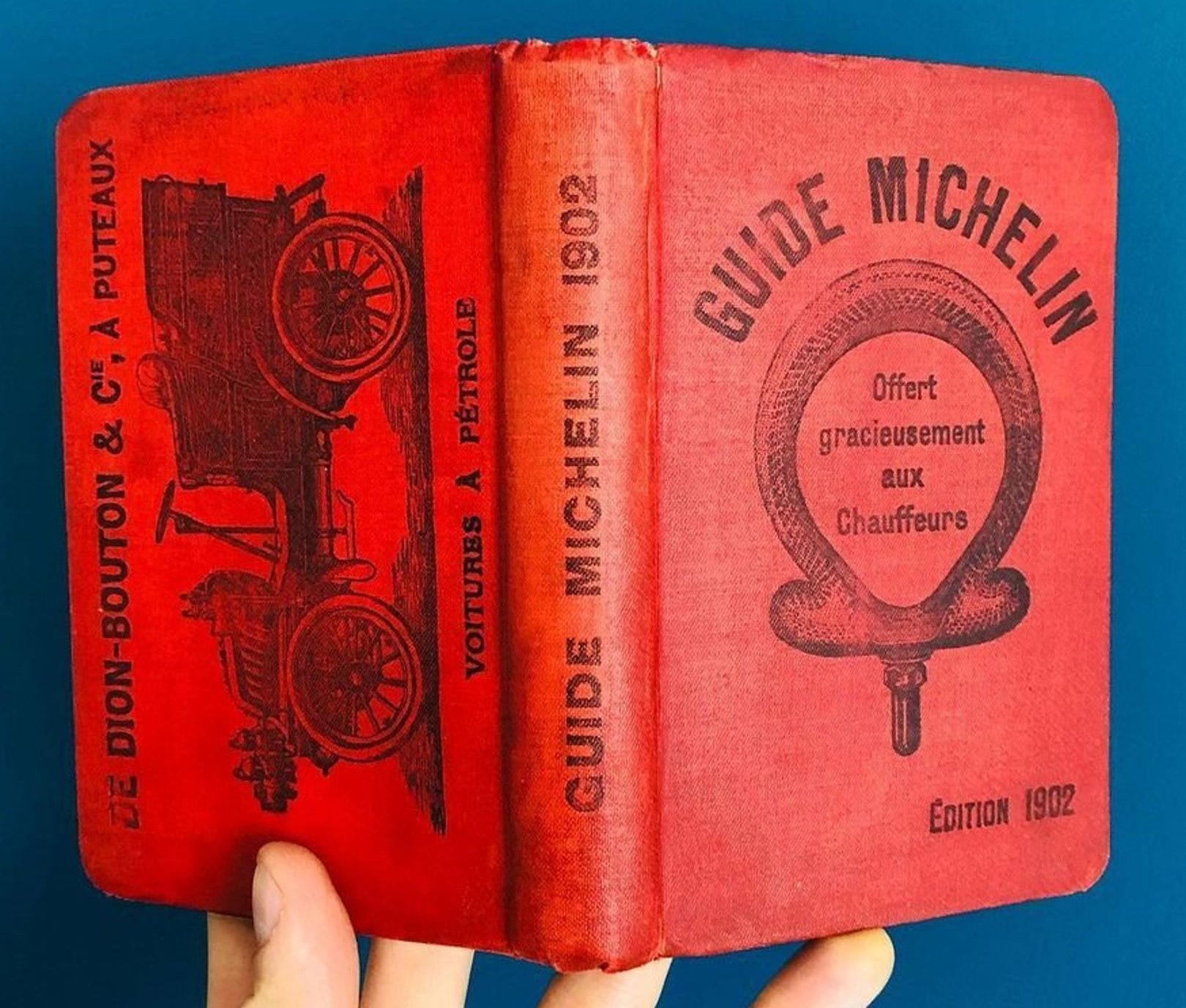
An English-language edition followed in 1909. What began as a useful motoring companion was becoming an international travel essential — and its restaurant listings were becoming the pages people lingered over
The star system
Recognising the growing appetite for trusted dining advice, Michelin began sending anonymous inspectors into restaurants. In 1926, the guide started awarding stars. Five years later, the now-famous three-star structure appeared, followed in 1936 by the criteria that still define the system: one star for a very good restaurant, two for excellent cooking worth a detour, and three for exceptional cuisine worth a special journey.
The impact was immediate and enduring. A Michelin star became more than a compliment; it became a career-making accolade. For chefs, it signalled technical precision, imagination and consistency. For diners, it offered a promise that a meal would be more than fuel for the road — it would be an experience worth seeking out.
Britain and the modern guide
In Britain, that influence arrived in a new form in 1974, when Michelin published its first dedicated Great Britain and Ireland guide since 1939. The debut selection captured a fine-dining scene still finding its modern identity: just 26 restaurants received stars, and each held only one. Even so, the guide gave chefs and restaurateurs a powerful international benchmark — and helped raise expectations across the country.
Today, the Michelin Guide occupies a rare place in food culture. It can turn a modest dining room into a destination, reshape a chef’s career and influence where travellers choose to spend their time and money. Its authority is not unquestioned, but its mystique remains unmatched.
More than a century after it first encouraged motorists to get behind the wheel, the little red book still does what it was designed to do: it sends people on journeys. The difference is that now, the destination is often dinner.
The Michelin Guide & Chaîne GB members
The Bailliage de Grande Bretagne shares a proud connection with the Michelin Guide: sixteen of its professional members work in venues that hold one or more Michelin stars. Their achievement reflects the guide’s continuing influence not only on restaurants and chefs, but also on the wider community of people who celebrate excellence in food, hospitality and service.